Views: 0 Author: Site Editor Publish Time: 2026-11-23 Origin: Site
Yes. Sustainable apparel is changing how brands specify embroidery thread and backing, how digitizers build designs, and how factories evaluate equipment. The most useful changes can be measured on a real order. Does the design use less thread while keeping its coverage? Does the process reject fewer garments? Does the finished embroidery still meet appearance and durability requirements after laundering?
Sustainable embroidery technology can include better material traceability, stitch files designed for specific fabrics, and production controls that reduce rework. Start with the finished garment and the claim your brand intends to make. Then choose the materials, design, and equipment that can meet those requirements together.
Table of Contents
Recycled polyester machine embroidery thread is available for industrial use. Ask the thread supplier for the product specification and any documentation required for your brand’s recycled-content claim. Record the thread identifier and lot so the evidence can be matched to production.
Keep the claim specific. A recycled-content claim for the embroidery thread applies to that component. A claim about the finished garment requires evidence appropriate to the garment and the wording used. When the buyer specifies a chain-of-custody scheme, confirm which materials, suppliers, and production stages the evidence covers.
Treat a thread substitution as a production change. Run it on the actual fabric with the intended needle, backing, and frame. Check stitch appearance, color, and thread breaks. Then assess the sample after the care treatment specified for the garment.
The backing also affects the result. A lightweight knit may need enough support to hold small lettering and keep the fabric flat. Reducing backing before checking the sew-out can lead to puckering or rejected garments. Compare backing options using the same design, fabric, and inspection criteria.
Thread, backing, and other decoration materials can affect how a garment is handled at the end of its useful life. If the brand has specified a take-back or recycling route, ask the program operator which materials and embellishments it accepts. Provide the full decoration specification, including any backing that remains in the garment.
A small embroidered logo and a large design with permanent backing can present different questions for a recycler. Confirm the actual requirements before making a claim about the finished garment’s recyclability.
Ask the digitizer to review areas where fills overlap, where the underlay may be heavier than the fabric requires, and where the stitch sequence creates avoidable travel or trims. Use the intended fabric and finished design size when making those decisions. A lighter design still needs to meet the buyer’s standards for coverage and edge definition.
For example, if a logo puckers on a lightweight polo, compare a revised stitch file with a better-supported setup. Keep the garment and inspection method consistent. Check the approved sample for readable lettering, a flat finish, and stable placement after laundering. Record thread consumption and reject rates for each version to see which change helped.
Keep an approved stitch file for each material and application that needs a different setup. Record the thread, needle, backing, frame, and settings used for the accepted sample. If the same logo runs on a cap and a polo, give each file a clear identifier so operators can select the right version.
Look at defects by job and machine head. If one head repeatedly breaks thread while other heads run the same file correctly, check that head’s threading, needle, and tension before changing the design for the whole machine. This can prevent unnecessary revisions and further trial garments.
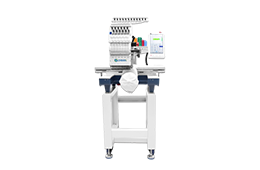
For short orders and personalization, measure setup time and the number of samples needed before approval. DISEN’s single-head embroidery machines provide options to review for that workflow. Confirm frame availability, file handling, and suitability for the fabrics and products you actually run.
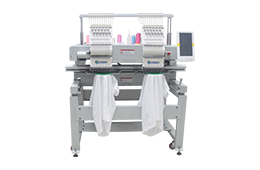
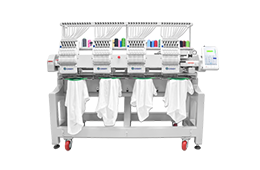
For recurring batch work, evaluate DISEN multi-head embroidery machines using representative batch sizes. Record active heads, loading time, interruptions, and accepted pieces. Ask the supplier to demonstrate the exact configuration with your garment, thread, backing, and stitch file.
What to compare | What to record | Why it matters |
|---|---|---|
Thread and backing use | Material issued and unused material returned, plus waste from setup and rejects | Shows how much material the job consumes per accepted garment |
First-pass acceptance | Pieces accepted without rework and total pieces inspected | Shows whether the setup produces consistent quality |
Energy use | Metered electricity over a defined run, including any agreed setup and idle periods | Makes comparisons possible when equipment and operating boundaries are comparable |
Durability | Appearance and stitch condition after the agreed care test | Shows whether the material or design change meets the garment specification |
Throughput | Accepted pieces and elapsed time, including loading and stops | Shows what the workflow delivers at the end of the run |
Suppose Setup A uses 6 kWh to produce 90 accepted garments, while Setup B uses 5.5 kWh to produce 75. Setup A uses about 0.067 kWh per accepted garment, and Setup B uses about 0.073 kWh. Setup B uses less electricity during the trial, but Setup A uses less electricity per accepted garment.
This example illustrates the calculation. Use the same measurement boundary for both runs and state which equipment the meter covers. Keep energy results separate from broader environmental claims, which require evidence covering the relevant materials and life-cycle stages.
Garment and design. Provide the fabric composition, garment construction, decoration area, artwork or stitch file, and finished size.
Materials. Specify the proposed thread, backing, and any recycled-content documentation required by the buyer.
Production conditions. Share typical batch sizes, expected output, and the defects or delays you want to reduce.
Acceptance criteria. Define placement, legibility, coverage, puckering, and appearance after the agreed care test.
Trial records. Request the machine configuration, approved settings, accepted quantity, rejects, rework, and any material or electricity readings needed for the comparison.
Use a trial that includes the work your team finds difficult. A stable woven uniform logo can show whether a setup is repeatable. A stretch garment or fine lettering can reveal problems that a simple sample misses. Use comparable batches and record changes to the stitch file, materials, and setup as they occur.
Keep the accepted garment and its production record together. When a supplier changes thread, backing, or fabric, use that reference to determine what needs to be checked again. This gives the production team a known setup and gives procurement a clear basis for approving repeat orders.
It may be compatible if the thread specification matches the application. Test it on the proposed machine with the actual garment, needle, and backing. Check stitch appearance, thread breaks, and performance after care before approving bulk production.
A lower stitch count can reduce thread use and sewing time for a specific design. Verify actual consumption and check whether coverage, edge definition, and durability still meet the specification. Include rejects and rework in the comparison.
Recyclability depends on the whole garment and the intended recycling route. Check fabric, embroidery thread, retained backing, and other trims against the program’s acceptance requirements.
Compare electricity per accepted garment under comparable conditions. Head utilization, batch size, setup time, idle time, and rejects affect the result. A trial based on your actual order mix is more informative than a comparison of rated power alone.
Ask the supplier to sew your design on your production fabric using the proposed thread, backing, and machine configuration. Agree on quality and care-test criteria. If resource use matters to the purchase, record material consumption, electricity, and accepted output over the same trial.
Planning an embroidery line for a new apparel range? Discuss your embroidery production requirements with DISEN. Share your fabric, artwork, thread and backing requirements, typical order sizes, and acceptance criteria. Include any waste or energy measurements you want to capture during the trial.